Most punters hear the term slot machine payout percentages and reckon it is just marketing fluff. It is defo more than that, though. The number tells you how much of every dollar the game is built to return over a long run, not what you will see in a single session. If you are keen to stretch your bankroll on an arvo session, knowing this figure helps you pick games that fit your style instead of chasing losses on a machine that pays back less. It is a practical filter, not a crystal ball.
Reading the Return Figure Before You Spin

The first thing to understand is that the advertised return is calculated over millions of spins, so a short session can look wildly different from the maths. When you sit down on a Gold Coast pokies floor or load a game on your phone, the screen might show a theoretical return near the high end, but that does not mean your next ten spins will balance out. I have seen teams treat a single number like a guarantee, and that is the sort of thinking that burns budgets fast. In my own work on retention and revenue, we learnt the hard way that a headline metric only matters when players actually use it to make better choices. The same goes here: check the published return, then treat it as a guide for game selection, not a promise of any particular outcome on the night.
How the Number Fits Into Your Session
Once you know the figure, the next step is matching it to how you actually play. A game with a higher theoretical return might still have volatile swings, so a smaller bankroll can disappear quickly if you are betting too heavily per spin. On the other hand, a steadier game with a slightly lower return might let you play longer without blowing through your notes. I have run campaigns where small changes in how people understood a metric changed how long they stayed engaged, and the lesson carries over: clarity beats hype every time. If you are playing for fun on a quiet arvo, pick a game whose return and volatility suit the session length you want, and keep your stake in line with that plan rather than chasing a big hit.
Where the Detail Actually Matters
The useful bit is spotting where the return figure sits alongside other everyday details like bet ranges, bonus features, and how often the game pays out smaller wins. A title might advertise a strong theoretical return, but if the minimum bet is steep and the bonus rounds are hard to trigger, the practical experience can feel different from the headline. That is the kind of detail I always push teams to surface clearly, because players make better decisions when the full picture is in front of them instead of buried in fine print. You do not need to overthink it, but it pays to glance at the game info screen, note the return, and then see whether the stake steps and feature frequency match the way you like to play. If you want to compare how different titles stack up on return and gameplay style, you can check a local option like https://plinko-online-au.com/aussie before you commit your cash.
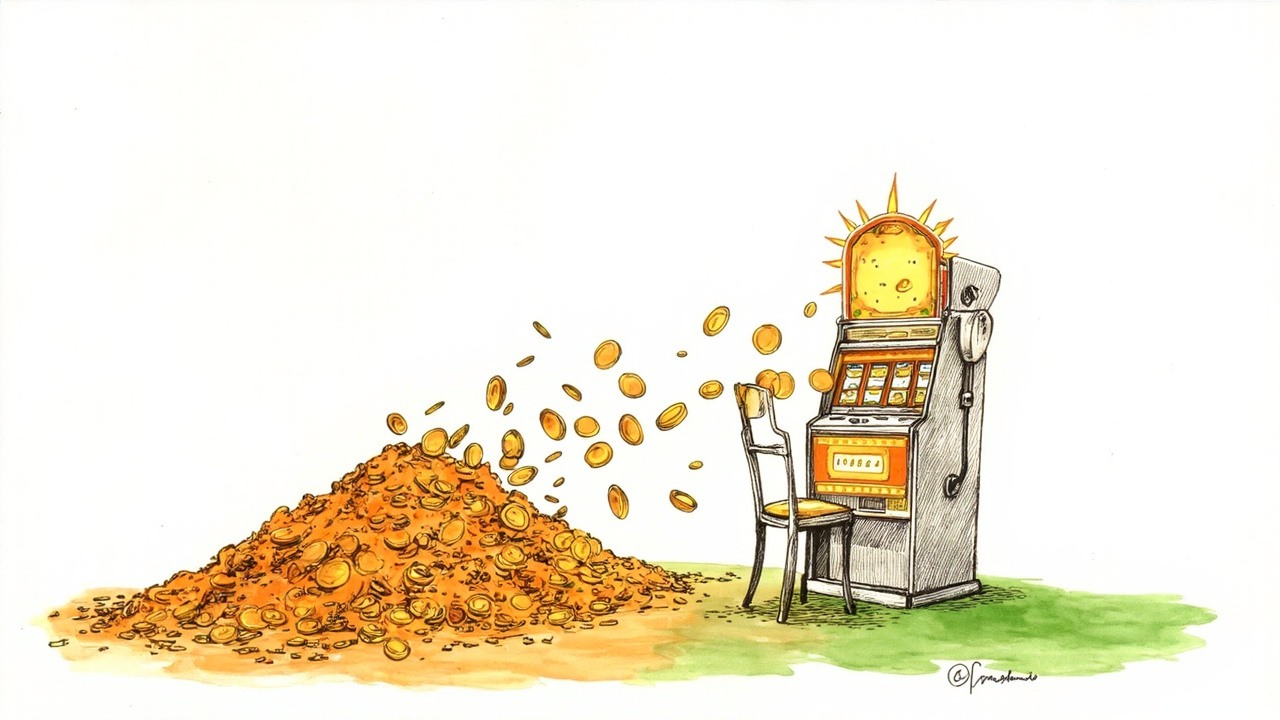
So next time you are picking a game, do you look at the published return first, or do you just spin whatever feels fun and figure it out later?