Roulette tournaments how to win is less about chasing a single lucky spin and more about managing pace, position, and payout structure over a fixed window. From an art-direction standpoint, the whole thing reads like a timed set: every chip placement is a visual decision, every leaderboard refresh is a cue that changes how a player moves next. For an Australian audience that tends to value clear mechanics over flash, the appeal sits in the discipline the format demands.
What the format actually asks of you
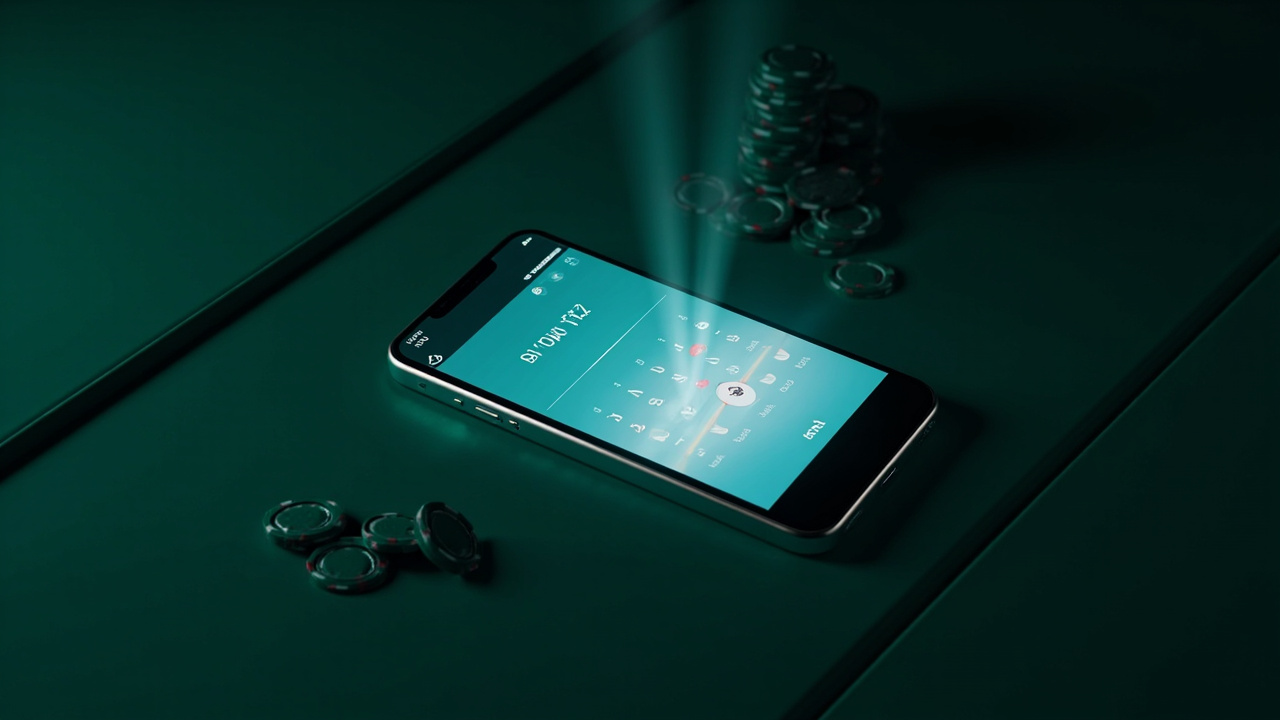
A roulette tournament compresses the usual table experience into a ranked sprint, where your score is measured against other entrants rather than the house alone. The screen should make that priority obvious before the first ball drops: timer countdown in the corner, current standing visible without digging through menus, and chip value displayed in a way that tells you exactly what each decision costs. I’ve seen Playtech-style presentation treat the layout like a stage set, where hierarchy matters more than decoration, and that same discipline applies here. When the visual weight lands on the leaderboard and the timer instead of on animated confetti, you can actually read the room. That matters because tournaments how to win are won by players who track position, not by players who chase a single flashy moment.
The practical side starts with understanding how points are awarded. Some events reward net chip gain, others reward total wagered amounts, and a few weight specific bet types more heavily. Before you sit down, read the scoring rule set the same way you’d read a creative brief: identify the metric that actually moves the ranking, then build your rhythm around it. If the event rewards volume rather than net profit, a conservative flat-bet approach can leave you behind, while an aggressive all-in play can burn through your allocation before the final round. The screen should make those trade-offs legible, and if it doesn’t, that’s a presentation problem you can work around by slowing down and checking the terms before each round.
For Australians reading this, the real consequence is simple: treat the event like a timed session with a budget, not a lucky dip with a leaderboard attached. Play during quieter periods if the platform allows re-entry, keep your stake plan in Australian dollars so the numbers stay honest, and don’t let a rising position on the board tempt you into a bet size that breaks your own limit. A calm arvo session with a written plan usually outperforms a late-night rush where the timer is doing half the thinking.
Reading the board, then reading yourself
Track position, not just the wheel
The leaderboard is the part of the screen that should carry the most visual weight, because it tells you whether your current pace is enough. I judge a tournament interface the same way I’d judge a slot presentation: if the most important information is buried under decoration, the design is working against the player. In a roulette event, that means checking where you sit relative to the cutoff line, not just relative to the person above you. A mid-table position early on can be perfectly fine if the scoring curve flattens later, while a top-ten spot can still be fragile if the event rewards a late surge. The practical move is to set a personal target that sits comfortably inside the prize band you actually care about, then adjust bet size only when the gap between your score and that target changes.
Keep the bet plan tied to the clock
Time is the resource you can’t reload, so the clock should shape every stake decision. If there are ten minutes left and you’re sitting above the qualifying line, the sensible play is often to protect position rather than chase a bigger spread. If you’re short of the line with a few rounds left, a more deliberate increase in bet size can make sense, provided it still fits the bankroll you brought in. The interface should make remaining time impossible to miss; if it doesn’t, you’re effectively playing with a faded scoreboard. I’d rather see a clean, high-contrast timer than a decorative countdown that blends into the background, because a missed minute in this format costs more than a missed spin.
Panic betting late in the session usually erodes the edge you built earlier. For players looking to refine their timing without financial risk, exploring https://royalreelsfree10.com/ can provide valuable insight. Preserving your bankroll ensures you remain ready for the next opportunity.
Why this fits repeat play more than a one-off sprint
Roulette tournaments how to win work best as part of a longer relationship with a platform, because the event itself is only one piece of the recurring value. A well-built tournament schedule gives you a reason to return between sessions: weekly entry windows, leaderboard resets, and small prize tiers that keep the format accessible instead of reserving all the interest for a single headline payout. That recurring structure matters more than a one-time bonus, because it gives you a reason to learn the scoring rhythm over time rather than treating each entry as a fresh guess. If the platform pairs the tournament with a loyalty ladder or a cashback arrangement that applies to table play, the event stops being an isolated sprint and starts acting like a reason to keep your account active.
The practical check is whether the event feels like a bolt-on or a built-in part of the room. A designed experience makes the entry button, the rules summary, and the standings easy to reach without forcing you through a maze of tabs, and that same discipline shows up in how payments and balances are presented. If you’re playing in AUD and the balance display stays consistent across the lobby, the table, and the tournament panel, you’re less likely to misread your own position. Support should be reachable when the rules feel unclear, and registration should be straightforward enough that you spend your attention on the event itself rather than on filling out the same details twice. None of that guarantees a result, but it does make the format easier to judge honestly before you commit.

- Read the scoring rules and identify the single metric that moves the ranking.
- Set a bankroll in Australian dollars and a stake unit that fits a full session, not one spin.
- Check the timer and your standing before every round, not only when the board looks good.
- Adjust bet size only when your gap to the target changes, not when the wheel looks “due.”
- Stop when the session limit or the clock ends, whichever comes first.
The verdict is straightforward: treat roulette tournaments how to win as a format you read before you play, where the scoring rule, the clock, and your own limit matter more than any single spin. If the presentation makes those priorities legible and the recurring structure gives you a reason to return, the event earns its place as a disciplined alternative to ordinary table play.