Jane Corrie has spent more than forty years moving between pit floors and training rooms across four regions, and that kind of shift-ops perspective is what separates a tidy live table from one that actually holds up when you are playing on a phone in regional Queensland. A mobile casino live dealer setup should feel like a well-run shift: cards moving at a steady pace, the dealer calling the rhythm, and the interface not getting in the way of the actual game. Below is a decision guide built around the questions a player should weigh before settling into a live table on a handset.
What a Mobile Casino Live Dealer Actually Delivers
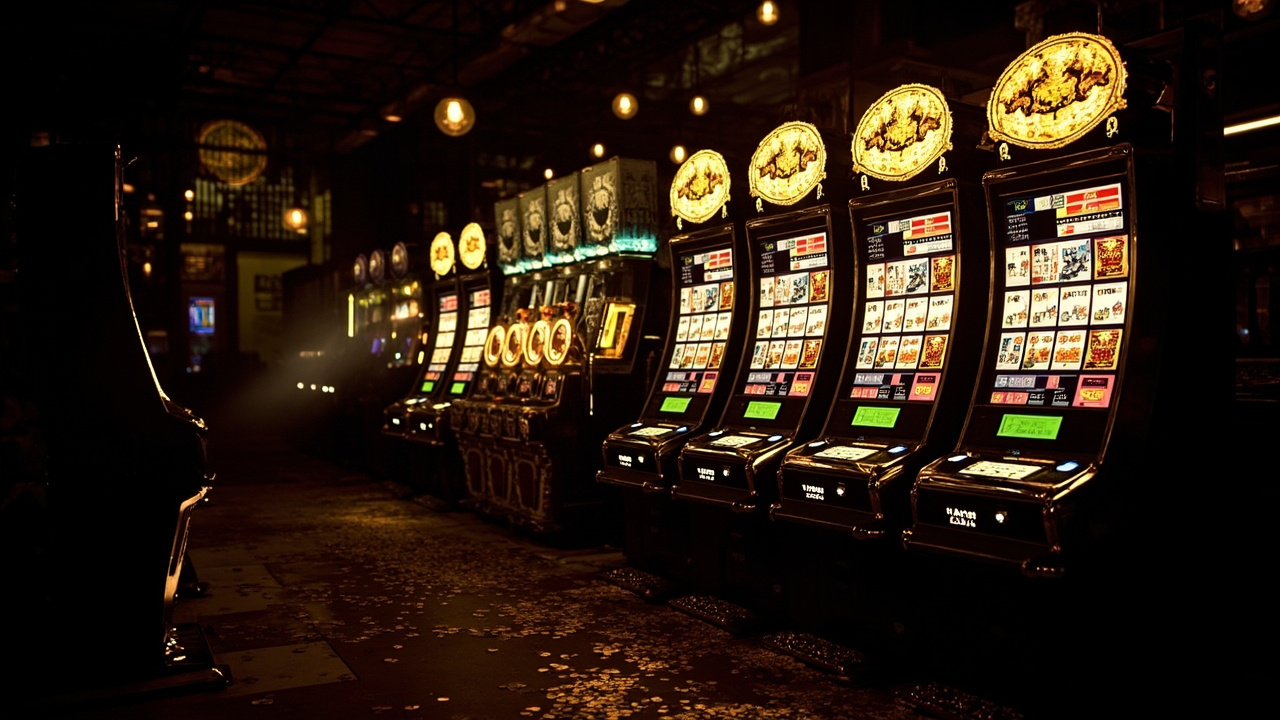
A mobile casino live dealer operation is not a slot dressed up as a card game; it is a streamed table with a real croupier, a physical shoe or wheel, and a betting overlay that has to work on a small screen without turning every tap into a second guess. The best operations keep the camera angle clean, the dealer’s cadence steady, and the bet buttons within a thumb’s reach so you are not hunting for the half-dollar chip while the ball is already spinning. Two or three traits tend to separate a polished setup from a generic one: a consistent dealer rotation rather than a different face every ten minutes, a visible bet history that lets you check what landed without squinting, and a lobby that loads in a reasonable time on a 4G connection out past the ranges. Usability on a handset comes down to whether the table fits the way you actually hold the phone – portrait or landscape – and whether the bet slip does not swallow half the screen when you are trying to adjust a side wager.
For players who want a plinko machine on instant play as a separate diversion, that kind of quick-hit arcade sits in a different corner of the same lobby, but it is not a substitute for the pacing of a live table with a real shoe and a dealer calling the action.
Three Questions Worth Weighing Before You Sit Down
How the table behaves when the connection dips
A live table on a phone is only as good as the stream stability, and in places like regional Queensland you can be thirty minutes from a tower and still get a signal that breathes in and out with the weather. The practical question is whether the operation handles a brief drop without losing your bet or freezing the dealer mid-shoal. In my pit days, a table that kept its rhythm through a dodgy feed was worth more than one that looked glossy until the first hiccup. A solid mobile casino live dealer setup will hold the last recognised state, let you re-bet within the same round where the rules allow, and show a clear indicator when the stream is lagging rather than pretending nothing is wrong. The dealer should not be forced to call dead hands because the overlay froze, and the chat – if there is one – should not crowd the betting area when the signal is thin.
What the betting limits and side mechanics actually mean for your session
Limits are where a mobile casino live dealer operation either fits your bankroll or fights it. Some tables run a tight minimum that suits a quiet session, while others set a floor that feels aimed at a different crowd entirely. The useful detail is not the headline limit but the side-wager structure, the payout on the main lines, and whether the dealer calls the same rules every round without improvising. I have watched players lose track of a side bet because the screen printed it in a font too small to read on a handset, and that is a layout problem, not a luck problem. A sensible operation will let you check the rule card without leaving the table, will show the active side bets in a size you can actually read, and will keep the minimum and maximum within a range that makes sense for the table’s pace.
How registration, payments and support line up with everyday use
The boring stuff matters because it decides whether you can actually sit down without a ten-minute detour. Registration should ask for what it needs and not pad the form with fields that go nowhere, and the payment options should match what a local player is likely to use without forcing a currency round-trip that eats into the balance. In a well-run operation, the verification step is clear about what documents are needed and roughly how long it takes, rather than leaving you guessing at midnight. Support should be reachable through the same handset you are playing on, with a response that does not read like a copied script. Loyalty, where it exists, should reward regular play without turning into a maze of tiers that only make sense if you are logging in six days a week.
- What to check before the first real bet:
- the stream holds its state through a short signal dip without losing your last recognised round
- the dealer’s rule card is readable on the phone without zooming in and out
- the betting limits and side-wager payouts match the session you actually want to run
- the registration form asks for the details it needs and nothing extra
- the payment menu lists options that work in the currency you intend to use
- support is reachable from the handset and responds with something specific, not a generic line plinko machine on instant play
Matching the Setup to How You Actually Play
A mobile casino live dealer table is a good fit when the pacing suits the way you want to spend an arvo: steady enough to follow the shoe or wheel, quiet enough to keep your own count of what landed, and stable enough that the phone is a window rather than a hurdle. If you like to watch the dealer’s rhythm and place your bets without fighting the interface, look for a setup with a clean camera line, a lobby that loads without fuss, and limits that sit where your bankroll actually does. If you are the kind of player who wants a side wager now and then but does not want to read a novel before each round, the rule card and side-bet display should be obvious on the handset. The right choice is the one that matches your connection, your session length, and the way you hold the phone – not the one with the loudest lobby animation.

The verdict is straightforward: pick the live table that behaves like a competent shift on a phone screen, where the stream holds, the limits fit, and the betting area stays readable when you are actually holding the handset. A mobile casino live dealer operation earns its place by letting you focus on the table rather than on whether the overlay will cooperate, and in regional Queensland that means a setup that respects a connection that is not always generous. If the table keeps its cadence, shows its rules plainly, and lets you sit down without a detour, it is doing the job properly.